
The evolution of gambling: From ancient times to modern strategies
An overview of ancient gambling practices
The history of gambling dates back thousands of years, making it one of the oldest pastimes in human culture. In ancient civilizations, such as those in Mesopotamia and China, people engaged in simple forms of betting, often using primitive tools like stones and dice. These early games primarily relied on chance and often had social and religious significance. For instance, dice made from animal bones were frequently used, a practice that illustrates the fusion of play and divination in early societies.
Archaeological findings reveal that around 3000 BC, the Chinese were already developing games involving betting. Evidence of keno slips demonstrates that gambling was not just about winning or losing; it also served as a form of social interaction. The Romans, too, embraced gambling, incorporating it into their gladiatorial games as well as more leisurely pursuits such as betting on chariot races. This rich history laid the groundwork for contemporary gambling culture around the world.

Moreover, in ancient Egypt, games of chance were often connected to religious beliefs and used in fortune-telling. These practices illustrated the deeply rooted nature of gambling in varied cultural contexts, highlighting that it was not merely about financial gain, but also a means of community interaction and spiritual exploration.
The transition from informal gambling to organized gaming
As societies evolved, so too did the nature of gambling. By the Middle Ages, established gaming houses began to appear in Europe, particularly in Italy and France. These venues catered to the growing demand for organized gambling experiences, where players could engage in games like cards and dice with a regulated structure. This marked a significant shift from casual street betting to more sophisticated forms of play that required skill and strategy.
With the advent of the Renaissance, gambling became an integral part of court life, with elaborate games enjoyed by nobility and commoners alike. The introduction of lotteries, particularly in the 16th century, also played a pivotal role in transforming gambling into a socially accepted activity, providing not just entertainment but also funding for public works. This transition helped normalize gambling, leading to its acceptance across various social strata.
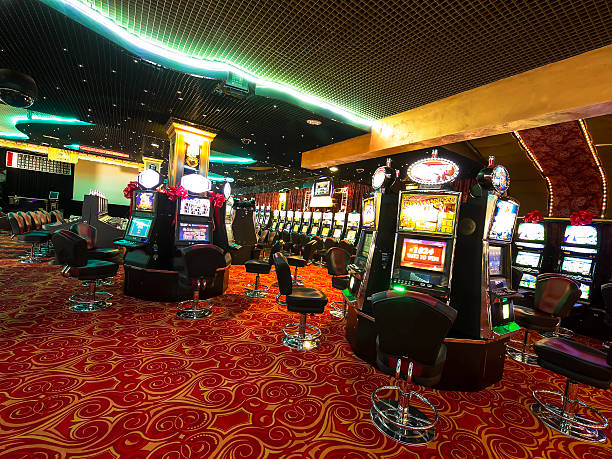
During this period, literary figures and scholars began to explore and document games of chance, further elevating gambling from mere pastime to a subject worthy of intellectual discourse. It was not uncommon for the themes of gambling to appear in the works of playwrights and poets, indicating its deep cultural resonance.
The impact of the Industrial Revolution on gambling
The Industrial Revolution introduced significant technological advancements that transformed many aspects of life, including gambling. The proliferation of printed materials allowed for the distribution of gambling-related literature, and with more people moving to urban centers, gambling venues flourished. The development of mechanically operated machines, such as the one-armed bandit, brought a new thrill to the gambling experience, attracting a generation that craved instant gratification.
Moreover, this era saw the rise of betting on sports, particularly horse racing, which became a major cultural event. The establishment of betting shops in urban areas created a formal environment for gamblers, further professionalizing the practice. With increased leisure time and disposable income, gambling became more accessible, leading to a boom that resonated across social classes.
The combination of technology and societal change led to the birth of iconic events, such as the Grand National, which became a focal point for punters. This period marked a turning point where gambling began to intertwine with mainstream entertainment, solidifying its place in modern culture.
The digital age and the rise of online gambling
The advent of the internet has revolutionized gambling, paving the way for online casinos and betting platforms. Early in the 21st century, a new era began when jurisdictions started to recognize and regulate online gaming. This shift has made gambling more accessible than ever before, allowing players to engage in their favorite games from the comfort of their homes at any time.
Today, online gambling has evolved into a multi-billion-dollar industry, with innovations such as live dealer games and mobile gaming adding layers of interaction that were previously unimaginable. The incorporation of sophisticated algorithms and the use of data analytics have also led to personalized gambling experiences, enabling players to explore new strategies and enhance their chances of winning.
Additionally, the rise of cryptocurrencies has introduced new payment methods in online gambling, adding an extra level of security and anonymity for players. As regulations adapt and evolve, the landscape of digital gambling continues to shift, offering endless possibilities for both operators and participants.
Your gateway to modern gambling strategies
If you’re looking for reliable information on gambling practices and the best online venues, you’ve come to the right place. Our platform provides insights into the top gambling options available, making it easier for you to navigate this dynamic landscape. Explore a variety of games and find your strategy by checking out top 10 online casino australia real money.
With the explosion of technology, the future of gambling seems bright, and the evolution from ancient practices to modern strategies showcases how this timeless activity continues to adapt and thrive. As we venture into an increasingly digital world, understanding these developments will provide essential knowledge for both seasoned players and newcomers alike. Furthermore, staying informed about gambling trends and responsible gaming practices can enhance your experience, ensuring that play always remains enjoyable and safe.